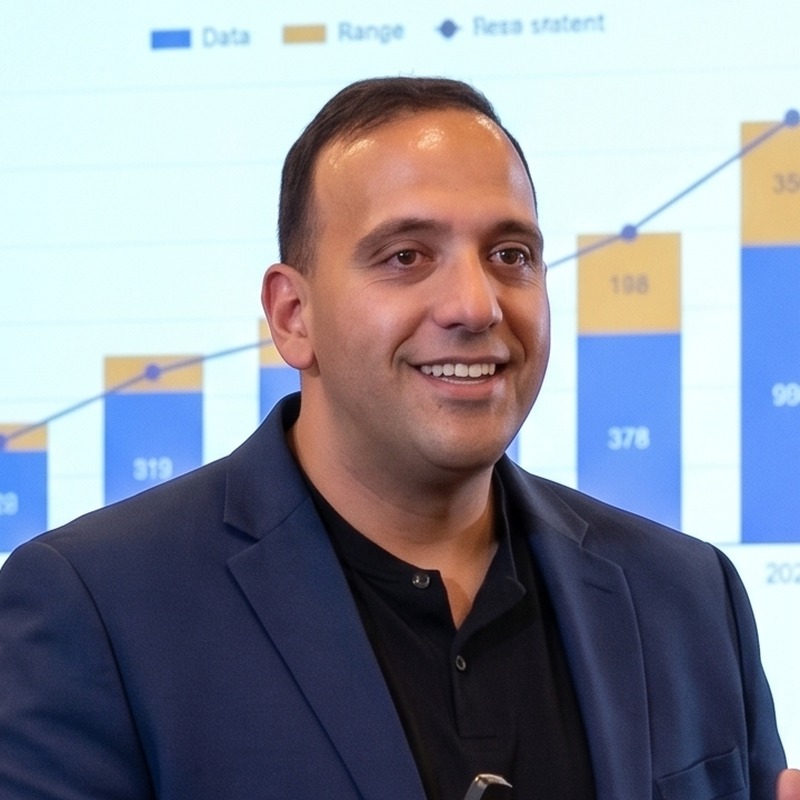

An AI champions program designates one or two people per team as the go-to resource for using AI tools in daily work, gives them a small amount of protected time and a clear charter, and connects them to each other. It is the single most reliable predictor we see of whether AI adoption survives after the training ends.
Why training alone fades
Training creates a spike. People leave a good session with new prompts and real enthusiasm, and for two weeks usage climbs. Then a deadline hits, someone gets a strange output, nobody is nearby to ask, and they go back to the old way. Not because the tool failed but because the moment of friction had no one standing next to it.
Champions are the people standing next to it. Not IT, not a help desk ticket, but a colleague who does the same job and figured out how to make the tool useful for it.
Who to pick
The instinct is to pick the most technical person. Resist it. The best champions share three traits:
- They are already experimenting. Every team has one or two people quietly using the tool more than everyone else. Find them; do not appoint them.
- They are respected for the job, not the tech. A benefits specialist people already go to with hard cases is a far better champion than the person who knows the most keyboard shortcuts.
- They like helping. The role is mostly answering questions and pairing with colleagues for fifteen minutes at a time. Patience matters more than expertise.
One champion per eight to twelve people is the right ratio for an HR team. Fewer and they burn out; more and the role stops meaning anything.
What to give them
A title with no time or authority behind it is a favor, not a program. Champions need four things:
- Protected time. Two to three hours a week, on the calendar, that their manager has agreed to. This is the whole cost of the program.
- A written charter. One page: what they are responsible for (office hours, keeping the prompt library current, surfacing blockers), what they are not (IT support, policy decisions), and who they report to.
- Deeper training than everyone else. Champions should be a step ahead: the prompt library, the guardrails, the reasons behind them, and enough understanding of how the tool fails to explain it in plain language.
- Each other. A monthly 30-minute call across champions from different teams. This is where the best prompts and the real blockers surface, and it is how the program spreads from HR to the next department.
What champions actually do week to week
Office hours, usually 30 minutes twice a week where anyone can drop in with a question. Pairing: sitting with a colleague on a real task until the colleague can do it alone. Curation: adding good prompts to the shared library and retiring ones that stopped working. And reporting: a two-line note each month on what is working, what is stuck, and what the team needs.
How to know it is working
Measure three things. Usage by team, which should hold or climb after training instead of decaying. Questions routed to champions rather than to IT or to nobody. And the one business metric you chose at the start of your adoption program: hours per benefits cycle, time-to-competency for new hires, response time on employee questions. If usage holds and the metric moves, the program is working. If usage holds and the metric does not, the workflow design needs another look.
Where this sits in the bigger picture
In the REZUME™ Framework, champions are named in the Upskill phase and are the reason the Evolve phase happens at all. They are how a four-week engagement becomes a permanent change, and how a program that started in HR becomes the model for finance, operations, and everyone else.
We identify and charter champions in week three of every 4-week sprint. Book a discovery call if you want that done for your team.