
Invenboost: Turning Foot Traffic Into Reviews, Repeat Visits, and Revenue
The Challenge
Our client is a veteran-owned novelty retailer that has been in business since 2015 and runs three stores across the Dallas-Fort Worth area. Busy stores, loyal customers, staff who know the regulars by name. Behind the counter, though, the operation ran on memory. Out-of-stocks got written on post-it notes, the owners drove to the wholesaler, and something always got forgotten, which meant a second trip. Inventory alone was eating about 80 hours. Customers asked for products nobody wrote down, and the online reviews never caught up to how good the stores actually were.
The tools to fix this existed. The workflow to make them stick, for hourly associates with no software background, did not.
Novelty Retailer
Invenboost
Owners & Staff
$1M Revenue Operation

Our Approach
Readiness
- Restock and wholesaler-run workflow documentation
- Owner and associate interviews across all three stores
- Highest-impact fixes prioritized
Zero-Gap
- Employee Requests from the floor instead of post-it notes
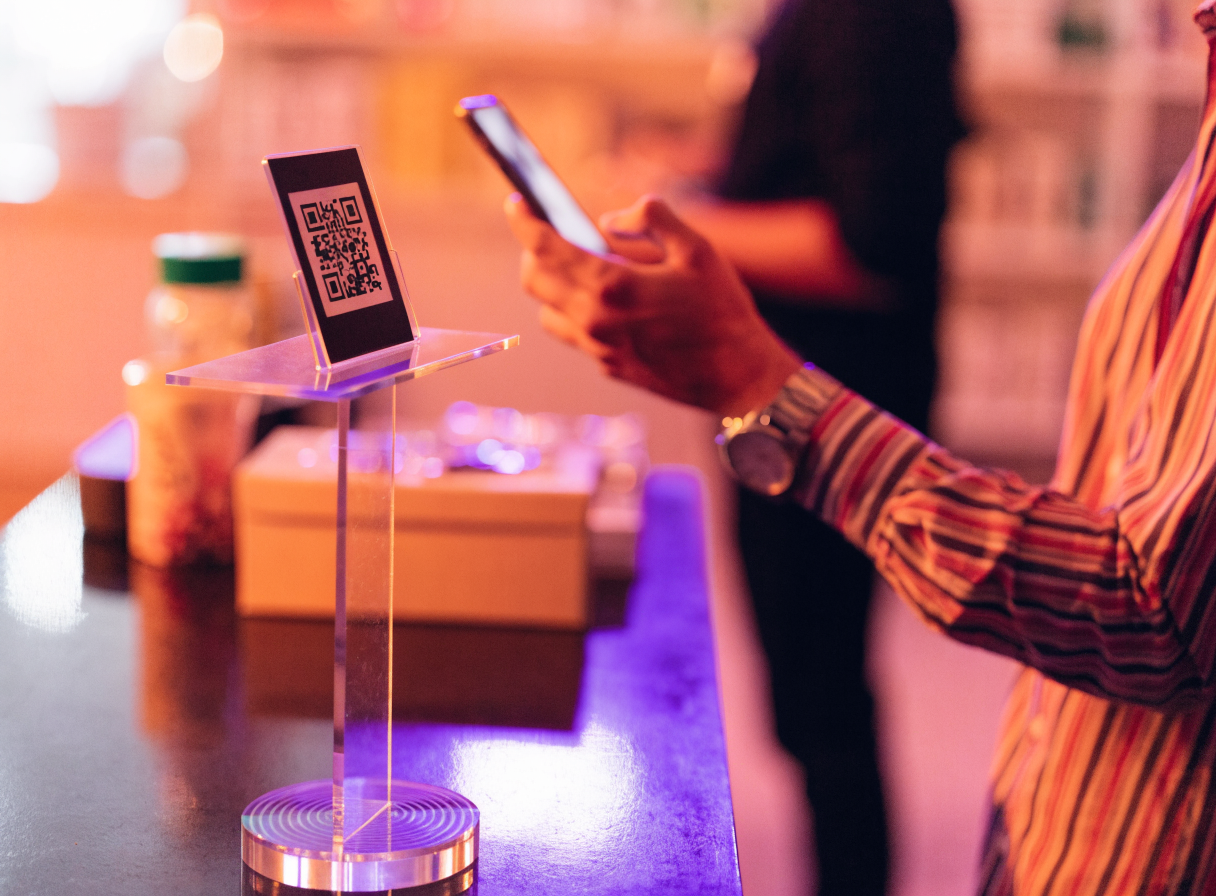
- Customer Wishlist and counter QR codes for reviews
- Invenlist: one shared list with priority, quantity, and days open
Power Users & Impact
- Role-based onboarding for owners and associates
- Invenboost AI for reorder timing and supply-list suggestions
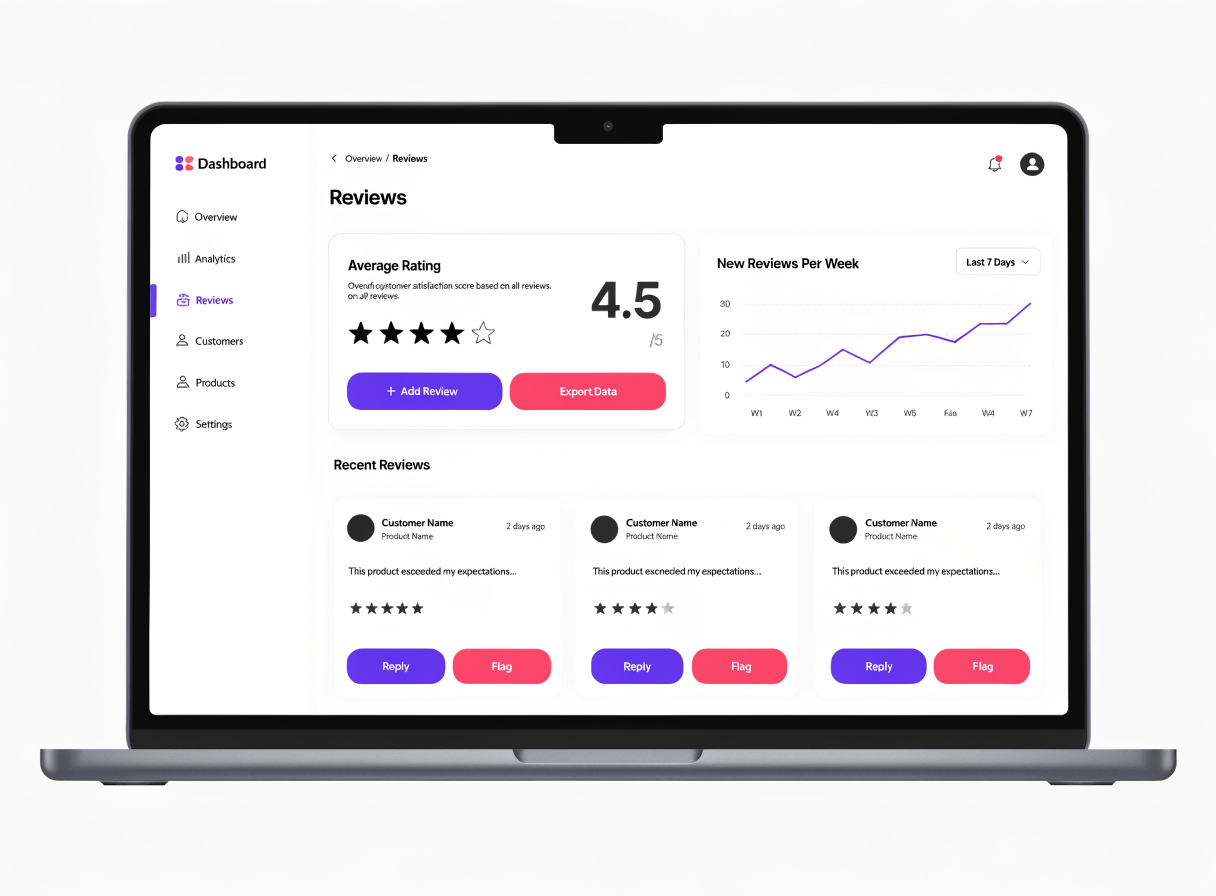
- Inventory hours, open requests, and review velocity tracked per store
We started on the store floor, not in a codebase: how an out-of-stock actually got noticed, who wrote it down, and what happened between the shelf and the wholesaler. Then we built Invenboost around that.
Employee Requests replaced the post-it notes. Staff log what is running low from the floor, and it lands in Invenlist, one central list with priority, quantity, who asked, and how long it has been open. The Customer Wishlist lets shoppers tell the store what they want carried, so buying decisions come from real demand instead of guesswork. Invenboost AI sits on top of all of it to flag what to reorder and when. A QR code at the counter makes leaving a Google review a ten-second act. And the whole thing was designed so a store manager could run it without training.
The results showed up fast. Inventory went from about 80 hours of writing, driving, and forgetting to a single list the owners walk into the wholesaler with. The second trip back for forgotten items is gone. With operations under control, the business grew into a $1M revenue operation. And the stores' reputation finally caught up online: as of September 2026, the two flagship locations hold 4.9 and 5.0 star ratings on more than 1,000 combined Google reviews.

Invenboost: Turning Foot Traffic Into Reviews, Repeat Visits, and Revenue
Ready to Supercharge Your People?